


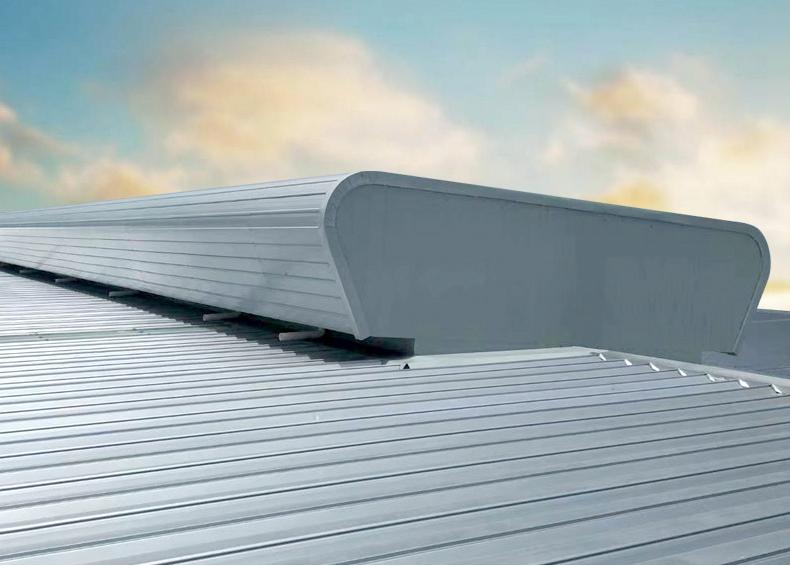
Retractable Streamlined Ventilation Skylight with Slope Flow Design
Other Products


Traditional fully open skylights, due to the various drawbacks mentioned above, are rarely adopted in modern residential designs. Instead, a semi-open design approach is used: partial glass or blinds serve as shading devices to provide sun protection and thermal insulation.
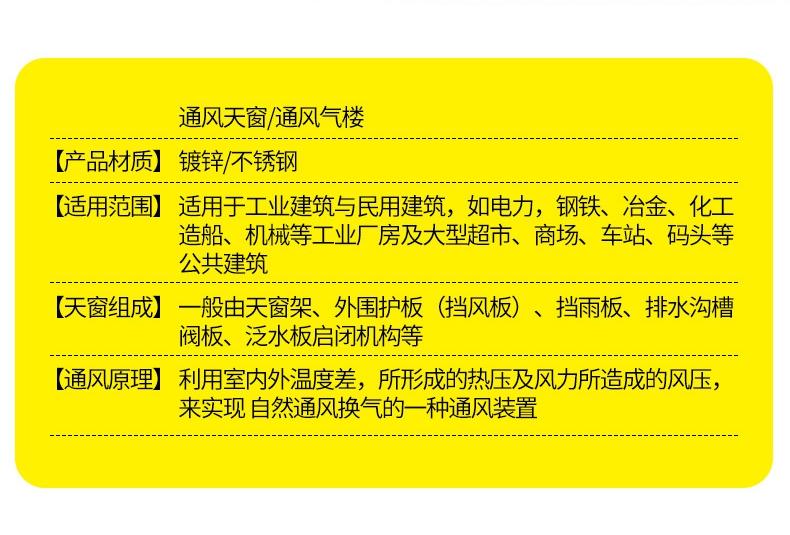
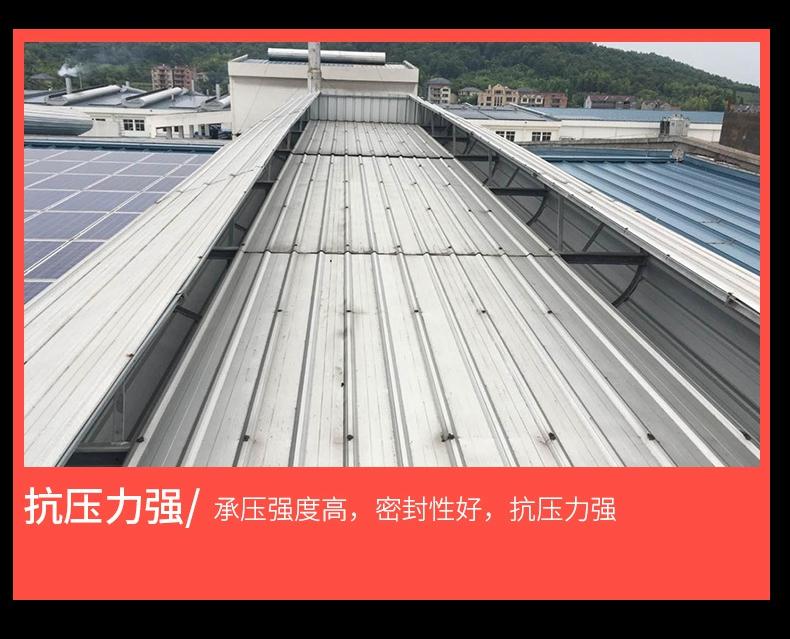
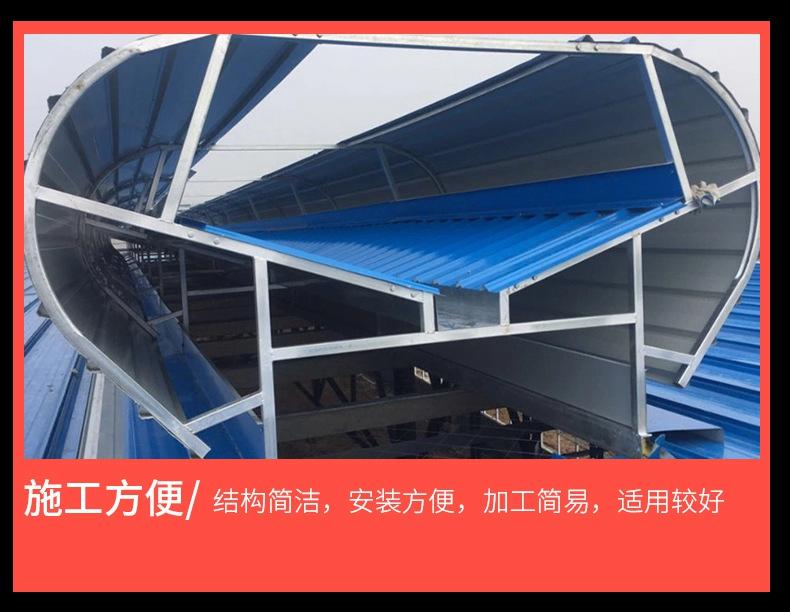
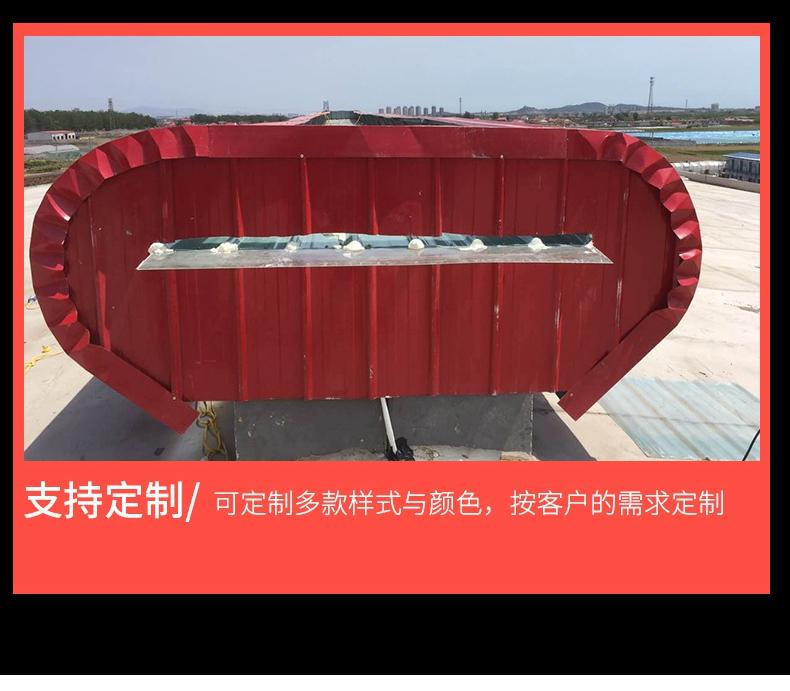
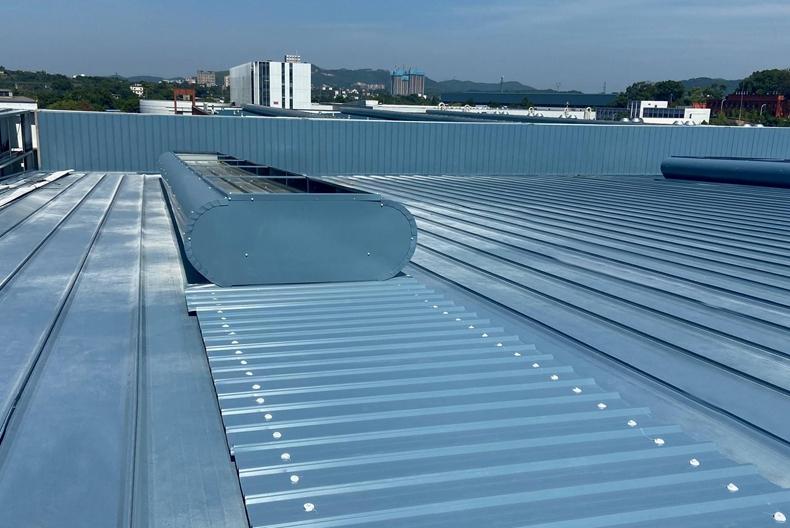
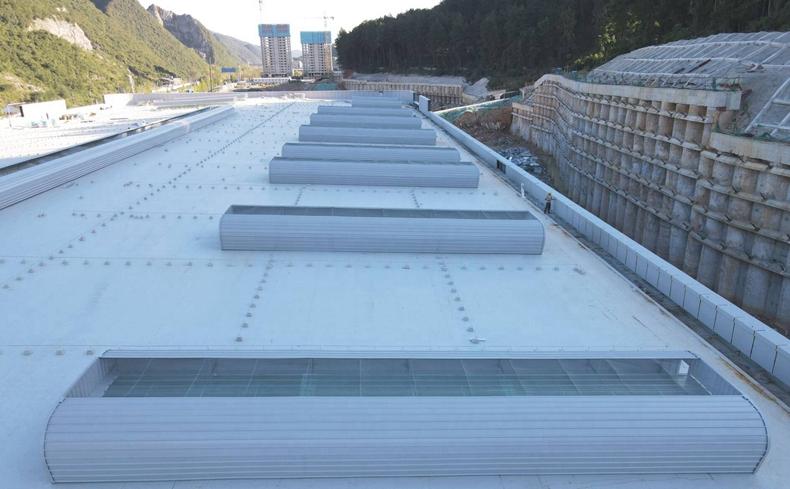
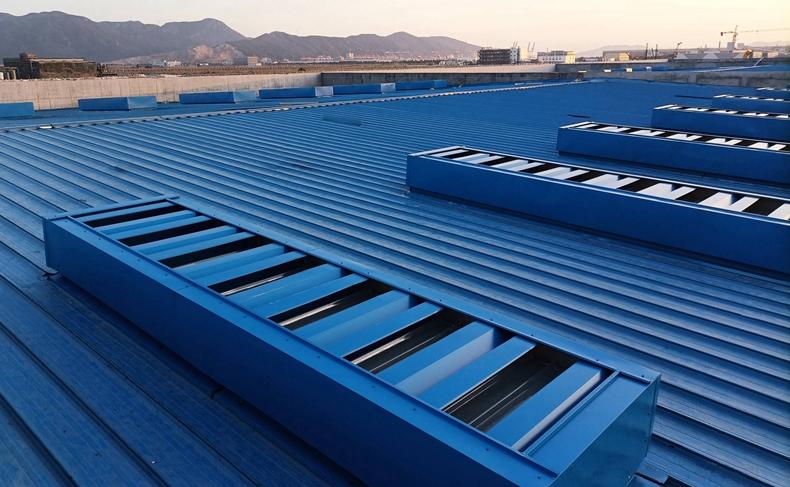
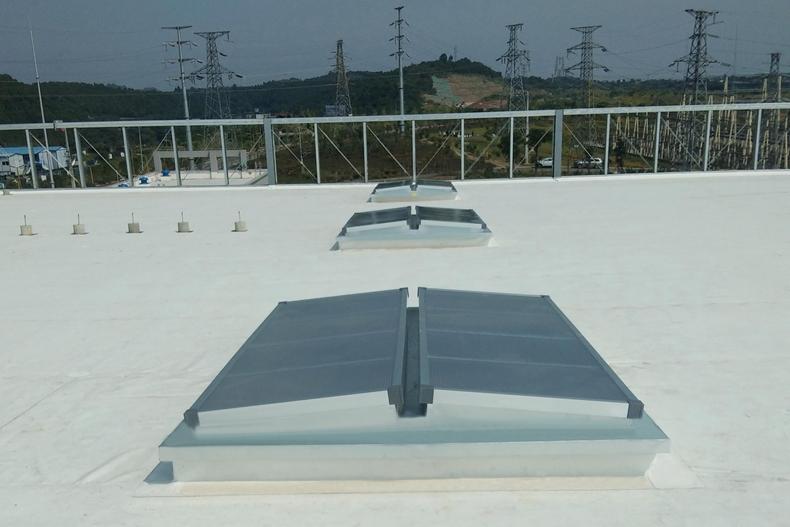
The layout of ventilation skylights on roofs is divided into horizontal and vertical types, which in professional terms are referred to as ridge skylights and slope skylights. Ventilation methods are categorized into natural open type and electric open-close type. The natural open type, commonly known as direct exhaust skylights, allows indoor heat, stale air, smoke, dust, etc., to be directly expelled outdoors through the skylight opening.
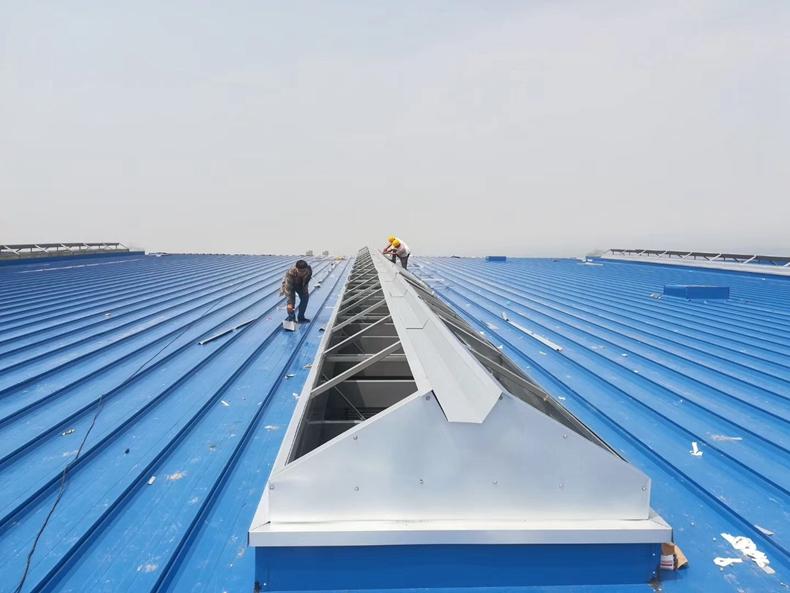
After ventilation skylight materials are hoisted onto the roof, to prevent the roof panels and beams from collapsing or deforming, the materials should be promptly distributed. First, move the main frame of the skylight to the skylight base, with one main frame every three meters. Skylight tie rods, rain shields, flashing plates, ridge tiles, water collection troughs, downpipes, and raft slabs should be distributed and placed according to specified distances. In windy weather, securing measures should be taken to prevent them from being blown off and causing injury.
Ventilation and daylighting skylights are high in strength and lightweight. The density of hot-dip galvanized steel pipes is approximately 2.70, compared to the density of steel at 7.85. This reduces the load-bearing capacity required for the workshop's indoor floor, making the foundation relatively easier to optimize. It significantly saves on the amount of structural steel required, conserves material resources, avoids unnecessary waste, and reduces cost consumption.



| Industry Category | Machinery & Equipment/Fans & Ventilation Equipment/Blowers |
|---|---|
| Product Category | |
| Brand: | 永业 |
| Spec: | 通风天窗 |
| Origin: | 113715 |


